
Consulting Engineer.
The first question is what is an engineer? An engineer is a person who has scientific training and who designs and builds complicated products machines systems or structures
What is a consulting engineer? consulting engineers are individuals who because of training in one or more engineering specialities are licensed professional engineers in private practice they serve private and public clients in ways ranging from brief consultations to complete design and coordination of projects they are often the technical person between architects process specialists contractors suppliers and the client a consulting engineer can provide general consultation feasibility reports design cost estimates rate studies project development patent assistance and preparation of environmental impact statements
What is a typical project? A typical project made up of architects and building owners such as hospitals hire engineers to draw system plans and write specifications for their buildings
Projects typically have five phases
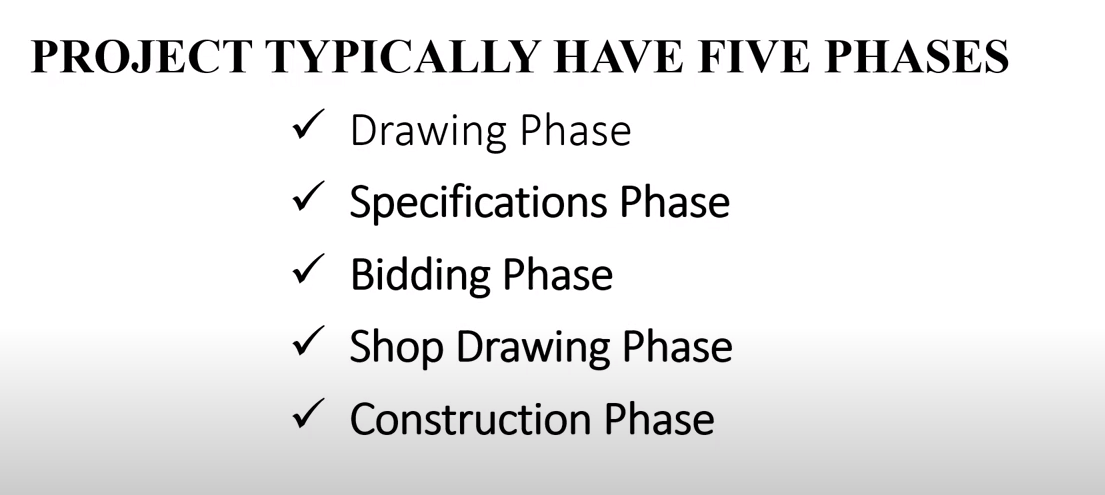
Engineers draw systems plans for their buildings including electrical mechanical which is heating ventilating air conditioning and plumbing fire protection which is sprinklers structural and civil the consulting engineer is responsible for designing within the architects budget limitations and accordance with the utility company and inspection authority requirements at the end of the design phase
The consulting engineer prepares a specification document detailing the material requirements for his speciality and system functions
During the bidding he attends pre-bid meetings clarifies issues and prepares addenda for the architect to issue to inform bidders of changes in the requirements
After the contract is awarded the consultant reviews and approves shop drawings detailing all requirements for his trade purposes
During the construction phase, he visits the Jobsite to record progress and clarify the contract documents at the completion of construction he prepares a punch list detailing corrections to the work if needed
Being a consulting engineer has the following benefits
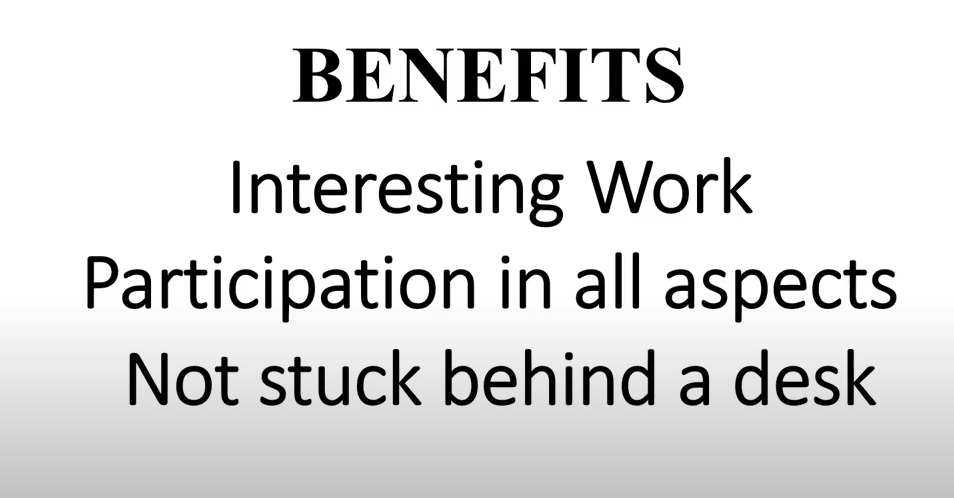
first, it’s interesting work each project is unique with specific requirements existing conditions options and cost constraints participation in all aspects you create your engineering speciality of a project from the study through design approvals bidding shop drawings clarifications construction observations and the final punch list you actually see the project goal from a blank sheet of paper to a constructed project one of a kind you can see and touch you’re not stuck behind a desk some of your days will be made up of meetings with clients vendors colleagues utility companies contractors and others field investigation and job observations
Drawbacks
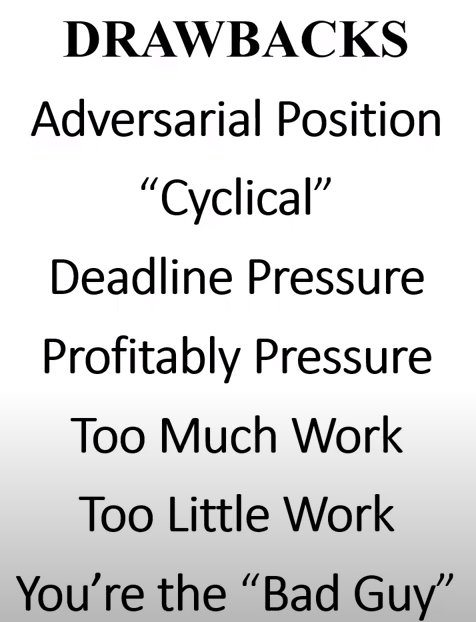
You are in an adversarial position your oversight of a project is to make sure that the owner gets the equivalent of what you specified the contractor typically wants you to accept an inferior project your client expects you to protect the building owners interest and the owner often wants better than what you specify
The construction industry is cyclical if you are good at your job you will usually be working but if a recession is too deep or lasts too long you may find yourself unemployed
Deadlines pressure deadlines are constantly changing and often there are multiple projects pressing you for attention over time and sorting out the top priorities can be stressful
Profitability pressure everyone in business is driven by a profit motive even consulting engineering firms no matter how good you are at your job if you can’t make a profit for our company you will not last
Too much work consulting engineering firms are reluctant to turn down projects because they can never tell when the current project will be delayed and they may have spent years or more waiting for a project to suddenly gets the go-ahead that creates more stress for you too little work conversely too little work is even more stressful it almost never seems like the workload is steady
You’re the bad guy during construction the owner sees you occasionally but sees the contractor almost every day and friendships are formed before you know it in protecting the owners’ interest you are being too hard on his friend
Project Stage
- Project Conception and Initiation:
- Idea generation
- Feasibility studies
- Project charter development
- Design and Planning:
- Architectural and engineering design
- Permit and regulatory approvals
- Budgeting and resource allocation
- Risk management planning
- Pre-Construction:
- Contractor selection
- Site investigation and surveys
- Equipment and material procurement
- Crew mobilization
- Construction:
- Site development and foundation work
- Structural framing and building
- Mechanical, electrical, and plumbing installation
- Interior and exterior finishes
- Commissioning and Quality Control:
- System testing and commissioning
- Quality inspections and corrections
- Safety checks
- Project Closeout:
- Final inspections and approvals
- Punch list completion
- Handover and documentation
- Final account settlement
- Post-Construction:
- Warranty period management
- Facility management setup
- Maintenance of Buildings and Equipment
- Health and Safety
- Budget Management
- Environmental Sustainability
- Occupancy and operations
- Review and feedback for future projects

 Electrical Engineer