
National Australian Built Environment Rating System.
What is NABERS?
The NABERS Accredited Assessors are a team of sustainability consultants who are trained and accredited to conduct NABERS ratings.
In Australia, a collaborative effort between government and industry over the past two decades has significantly advanced sustainability in commercial buildings. This has resulted in Australian property companies being recognized as among the greenest globally. The key strategy has been the implementation of NABERS, like fuel efficiency stickers for vehicles and appliances, but for buildings. NABERS provides a trusted and government-audited six-star rating system (where one is poor, three average, and six exceptional) for measuring the energy, water, waste efficiency, indoor environment quality, and carbon neutrality of offices, shopping centres, hotels, data centres, hospitals, and apartment buildings. These ratings, conducted by independent assessors, focus on consumption aspects within the control of building owners, empowering them to improve and upgrade their properties. The government has formally supported this approach.
How does It work?
1- Find an Assessor:
Use the Assessor Register to search for and commission an Assessor for your rating.
Be sure to source multiple quotes to ensure you’re getting a competitive price.
Cost: Costs vary from one Assessor to another and will depend on
Type of rating
Size of your building
Type of data collected
Tip
Completing more than one rating at a building or workplace at the same time, for example an Energy and Water rating, will save money.
2- Your involvement:
Once you have engaged your chosen Assessor, you will work together to compile data.
Tip
The best way to ensure an Assessor can complete the rating quickly is to keep good records and have all the appropriate data on hand.
Conflict of interest
Unusual activity will be recognised in audits. Offering bribes or other incentives in order to achieve a better star rating is not allowed.
3- The Assessor’s role:
Once engaged, your Assessor works with you to compile data, visit your premises and calculate your building’s rating. Your Assessor then submits your rating application to the Technical Team at NABERS HQ.
4- NABERS involvement:
NABERS Tech staff review, verify and certify your rating. Usually, it takes 10 working days to certify a submitted rating. Then they will issue you your new electronic rating certificate, valid for 12 months. You can use this to promote your rating in your marketing material. You must always use a certified rating to promote, report or publicly disclose your rating.
- Who is the customer? Building managers or sustainability consultants that engage Assessors to gather data on their building. They are the party that pays for every rating application to NABERS.
- Who is the NABERS Assessor? They are a professional team of sustainability consultants, trained and accredited to perform NABERS ratings. Assessors are accredited by NABERS through the Office of Energy and Climate change but operate independently and are not employed by the Office of Energy and Climate change. They collect and submit rating applications to NABERS for certification.
How to Improve?
- Operational Control: The best place to start is to look at the operational control of your building. Improving the efficiency of what you already do can have a big impact on your star rating. For example, if the air-conditioning is running for 24 hours a day, but your tenants are only using the building 14 hours a day, adapt it so it is fit for purpose.
- Upgrades: You can also improve your building’s rating by upgrading your assets. For example, installing solar panels can reduce your energy bills.
- Metering: Only capture the consumption data required for the rating, nothing extra. For example, an apartment building would not need to include the energy for the shop on the ground floor in its rating. This will help to achieve a better outcome.
- GreenPower Program: The GreenPower Program is a government managed scheme that enables Australian households and businesses to displace their electricity usage with certified renewable energy.
Legislation
The Federal government has set sustainability standards for any Federal government owned or leased offices around Australia.
| Responsible party for rating | NABERS performance rating target |
| Building owner | (Electricity) 4.5 star base building rating (Water) 4 star rating |
| Government tenant* | (Electricity) 4.5 star tenancy rating |
CBD: Commercial Building Disclosure (CBD) scheme is a national program that aims to improve the energy efficiency of large office buildings in Australia. It is managed by the by the Australian Government Department of Climate Change, Energy, the Environment and Water
There is a requirement for commercial building owners, lessors, and agents in Australia to obtain a Building Energy Efficiency Certificate (BEEC) for office spaces larger than 1,000 square meters before offering them for sale, lease, or sub-lease. This mandatory disclosure aims to provide potential buyers and tenants with information about the energy efficiency of the properties, promoting energy-efficient buildings that produce fewer emissions and cost less to run. While not all buildings are affected, owners and agents are encouraged to consult a CPD accredited assessor to determine compliance. Non-compliance may result in heavy penalties. More information can be found on the CPD website. In summary, the Australian government’s Commercial Building Disclosure (CPD) program requires the disclosure of building energy efficiency to inform decision-making for potential buyers and tenants. This includes obtaining a BEEC for qualifying commercial buildings and displaying the NABERS Energy Star rating on all advertising. Consulting a CPD-accredited assessor and obtaining more information from the CPD website is required to avoid potential penalties.
Space:
Energy:
- Offices:
NABERS measures the efficiency of office buildings. An energy rating works by comparing the energy consumption of a building against the sector average.
Average cost saving: $280,000 per annum when an office building improves its NABERS Energy rating from 4 to 6 stars*
The average cost saving is approximately $90,000 per annum when an office tenancy improves its NABERS Energy rating from 3 to 5 stars**- Rating types:
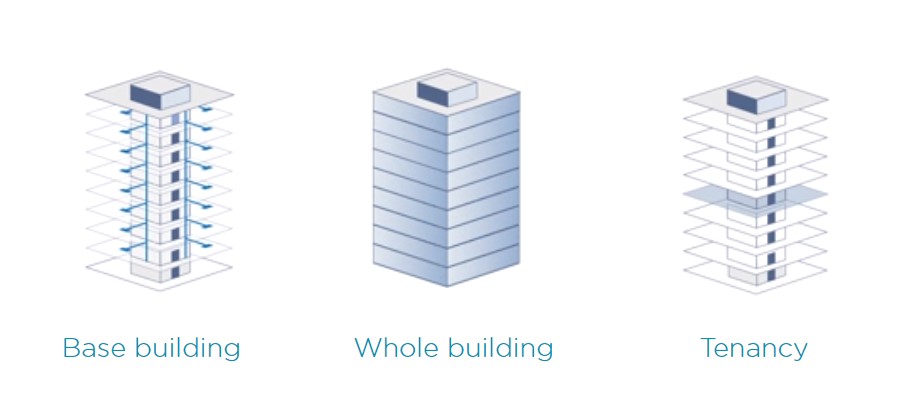
- Base building – Occurs when central services like heating and cooling systems, lifts and lobby lighting are rated.
- Whole building – This measures the combined base building and tenant-occupied space in one rating. This usually occurs when there is a single tenant occupying an entire building.
- Tenancy – Occurs when businesses choose to rate the space they occupy within a building. To tailor the tool for the tenancy market, we look at area of office, hours of occupancy and number of occupants.
- Type Tenancy: Businesses can also obtain a NABERS tenancy rating, providing a helpful benchmark for energy use. A top rating benefits the environment and a company’s reputation, while a lower rating can reveal improvement opportunities and cost savings. The process for obtaining a NABERS tenancy rating has been made easier, as building managers can now arrange for an assessor to visit businesses while already on site rating the building, known as the co-assess process. Businesses only need to provide access to their area and, in some cases, 12 months of energy bills to receive an expert evaluation and their own NABERS rating.
- Data required:
- Annual energy consumption
- Green power
- Computer count (not required for base building)
- Climate (postcode)
- Office floor area
- Hours of service
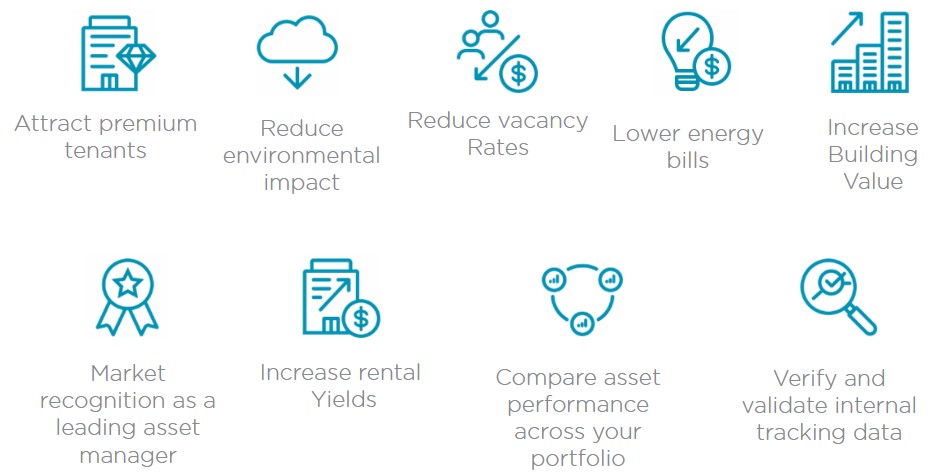
- Benefits:
- Rating types:
- Retirement Living
- Data required:
- Number of dwellings on site
- Serviced apartments on site
- Retirement village site area
- Heated/unheated Pool
- Climate zone/postcode
- Data required:
- Residential Aged Care
- Data Required:
- Occupied Bed Days
- Heavy laundry processed on site
- Meals cooked
- Heated Pools
- Your postcode
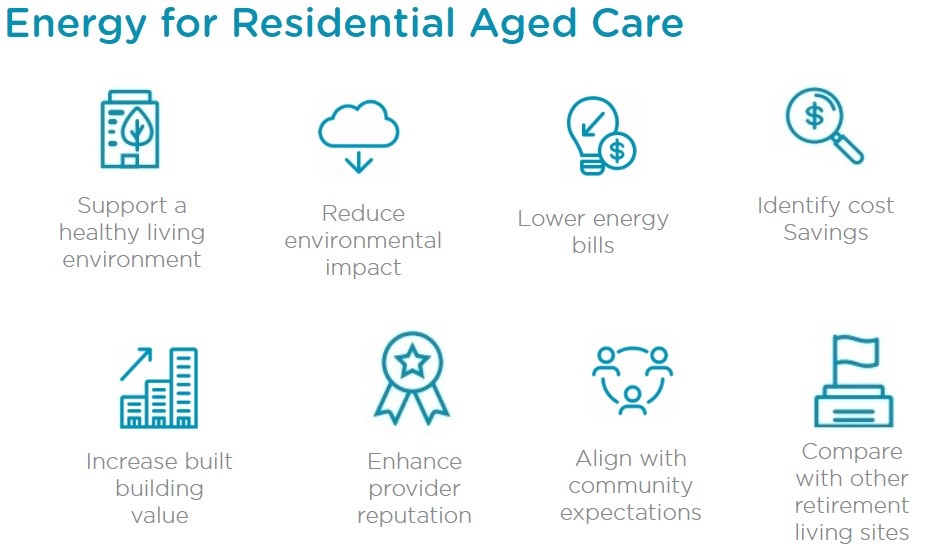
- Benefits
- Data Required:
- Shopping Centres
- Rateable:
- One or more buildings dedicated to retail services.
- Presence of at least one “major” tenant such as a supermarket or a department store. Service-oriented facilities including gyms, food courts and cinemas.
- Back of house facilities such as a management office, loading docks and a storage area.
- Required Data:
- Gross Lettable Area Retail (GLAR)
- Partially serviced tenancies
- Centrally serviced area
- Hours of service
- Number of trading days
- Car parking spaces
- Floor configuration
- Climate (postcode)
- Annual energy consumption
- Food court seats (small shopping centres)
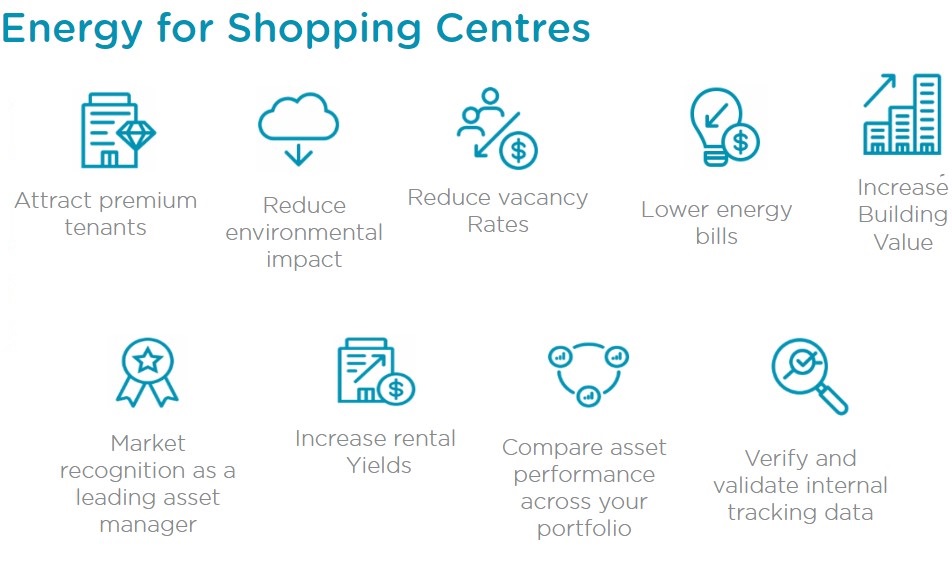
- Benefits
- Rateable:
- Warehouses
- Data Required
- Conditioned area
- Non-conditioned area
- Cold store and cool store volume
- Weekly operating hours
- Number of full-time equivalent workers
- Annual turnover ratio
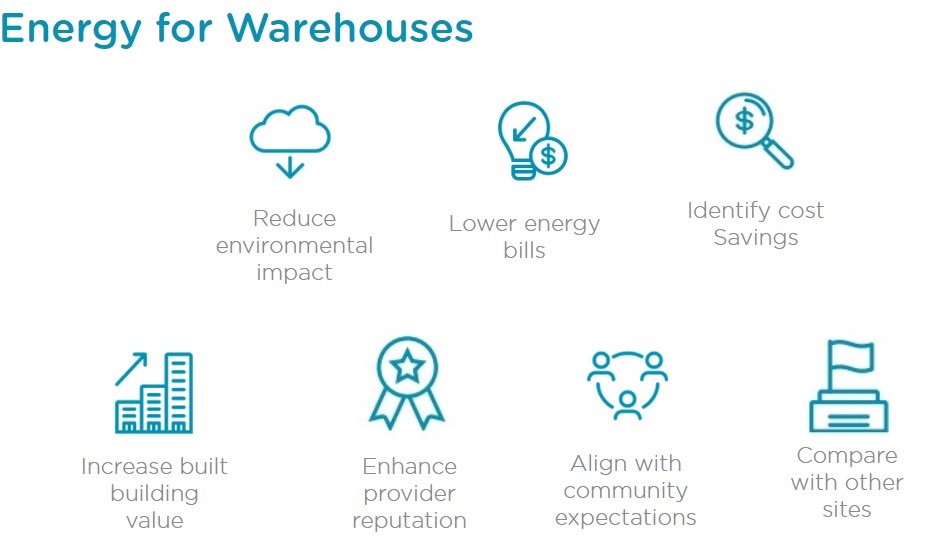
- Benefits
- Data Required
- Apartment Buildings
- Ratable
- At least 4 apartments in total
- At least 2 apartments stacked vertically
- Apartments must be habitable during the rating period
- Data Required
- Air-conditioning arrangements Annual energy consumption
- Car parks
- Lifts
- Swimming pool
- Gym
- Number of apartments
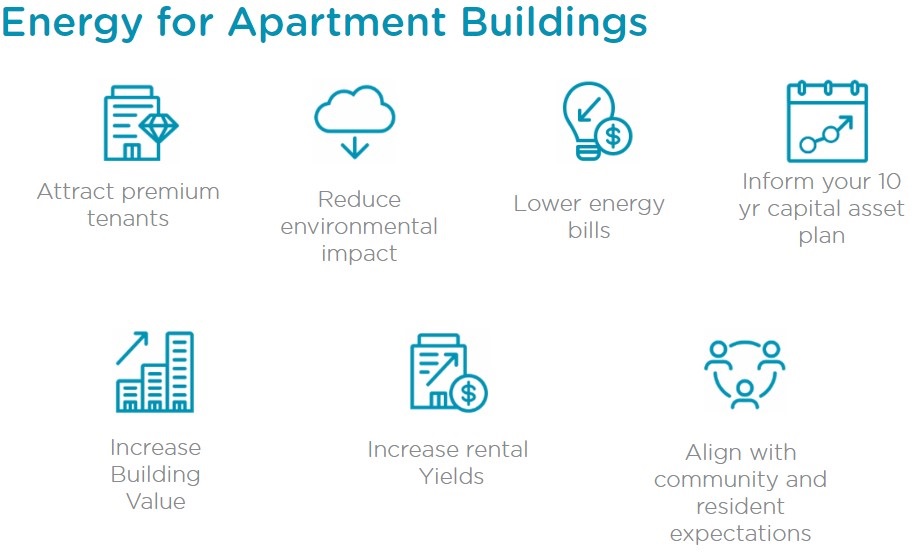
- Benefits
- Ratable
- Cold Stores
- DataRequired
- Conditioned area
- Non – conditioned area
- Cold store and cool store volume
- Weekly operating hours
- Number of full-time equivalent workers
- Annual turnover ratio
- Benefits

- DataRequired
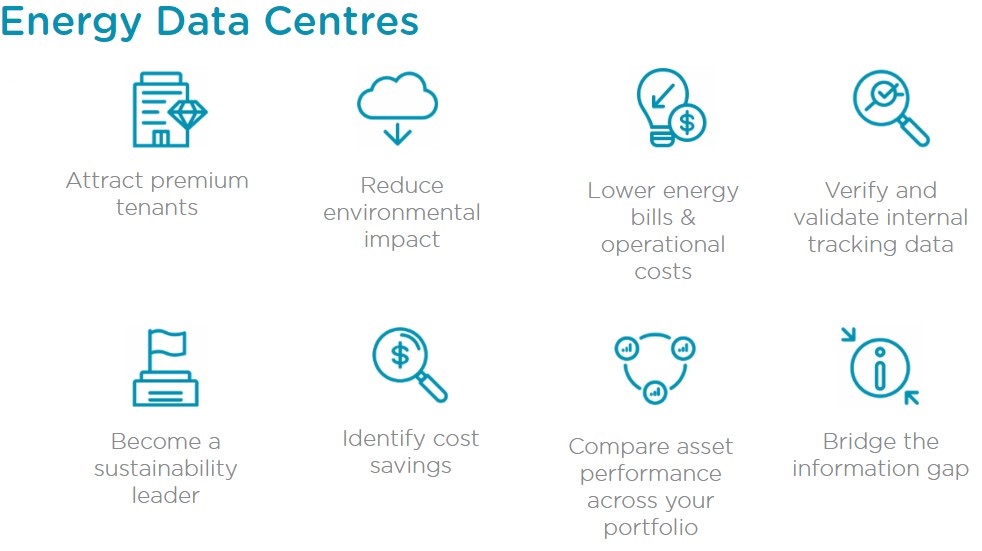
- Data Centres
- IT Equipment: This type of rating is for organisations that own or manage their IT equipment and do not control data centre support services such as air conditioning, lighting and security.
- Infrastructure: This rating is for data centre owners and managers. It allows them to determine their facility’s energy efficiency in supplying the infrastructure services to the IT equipment housed in a data centre.
- Whole facility: This rating combines both the IT Equipment and Infrastructure tools and is designed for organisations that both manage and occupy their data centre.
- Data required
- IT Equipment rating
- Energy consumption covering approximately 1 month
- Storage capacity
- Processing capacity
- Infrastructure rating
- Annual energy consumption
- Whole facility rating
- Annual energy consumption
- Storage capacity
- Processing capacity
- IT Equipment rating
- Benefits
- Hotels
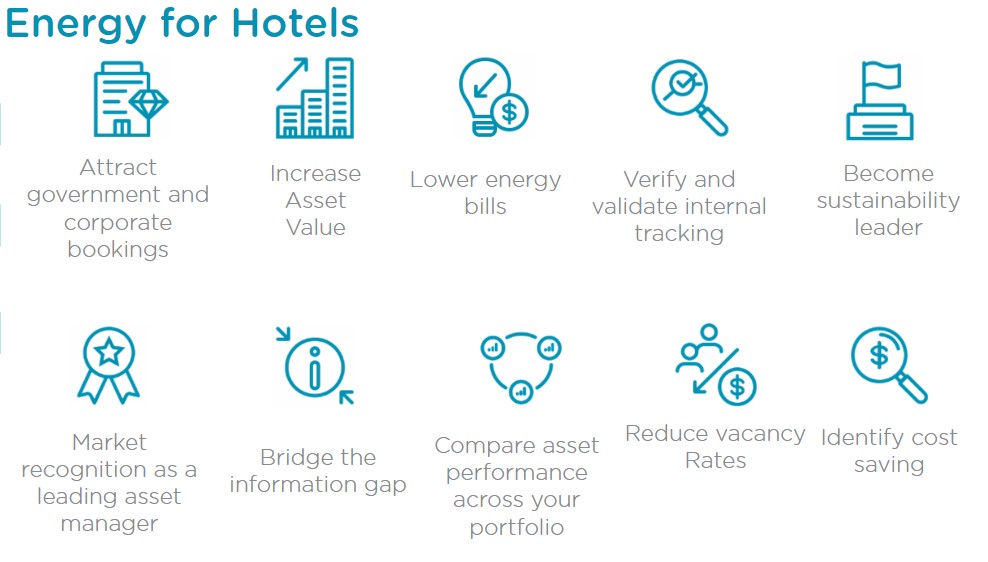
- Type: NABERS Energy and Water for Hotels rates all standard, suite, boutique, conference, gaming/casino, ski and spa hotels from budget through to luxury.
NABERS for Hotels does not rate resorts, pubs, motels or serviced apartments as their services and facilities are too different for their energy and water efficiency to be meaningfully compared to other hotels. - Data Required:
- Annual energy consumption
- Number of hotel rooms·
- Hotel star rating
- Climate (postcode)
- Number of laundry serviced rooms
- Number of function rooms seats
- Area of heated pool
- Benefits:
- Type: NABERS Energy and Water for Hotels rates all standard, suite, boutique, conference, gaming/casino, ski and spa hotels from budget through to luxury.
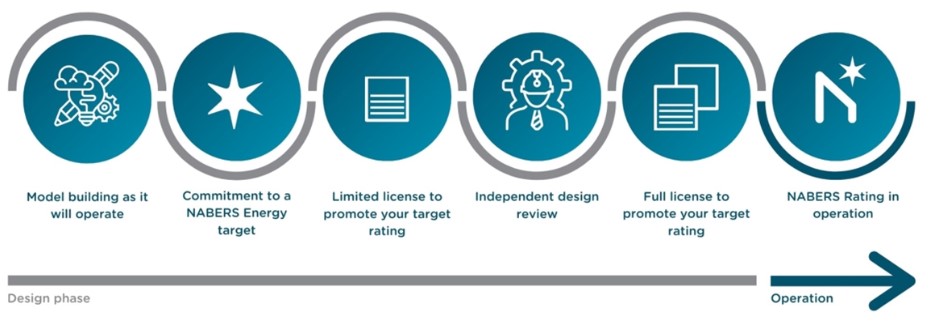
- New Buildings/Renovation
- Building Scope
- Commitment Agreements must be for a minimum of 4 stars and are available for:
- Office buildings
- Base building minimum 5 star target rating
- Whole building
- Tenancy
- Hotels
- Shopping centres
- Data centres
- Apartment buildings
- Office buildings
- Commitment Agreements must be for a minimum of 4 stars and are available for:
- Benefits
- Enhanced capital value for buildings with lower energy costs.•
- Ability to report accredited greenhouse performance levels.
- Opportunity to communicate and promote your achievements via a Government-accredited trademark.
- Potential to engage your architect, engineer and builder in a design, construct and commission process that places a premium on actual measured performance
- The confidence that your project will achieve a target level of
performance.
- Process
- Building Scope
Water:
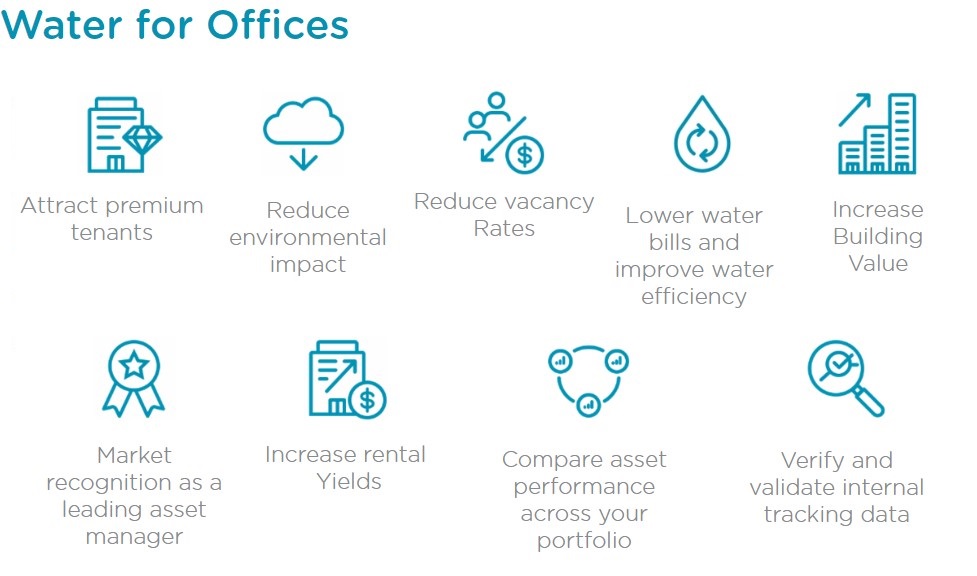
- Office
- Whole Building: This measures all the water used in a building, including the base building and tenant occupied space in one rating.
- Required Data
- Water bills
- Recycled water
- Climate (postcode)
- Office floor area
- Hours of service
- Benefits
- Hotels
- Type: NABERS Energy and Water for Hotels rates all standard, suite, boutique, conference, gaming/casino, ski and spa hotels from budget through to luxury. NABERS for Hotels does not rate resorts, pubs, motels or serviced apartments as their services and facilities are too different for their energy and water efficiency to be meaningfully compared to other hotels.
- Data Required
- Annual water consumption
- Number of hotel rooms
- Hotel star rating
- Climate (postcode)
- Number of laundry serviced rooms
- Number of function rooms seats
- Area of heated pool
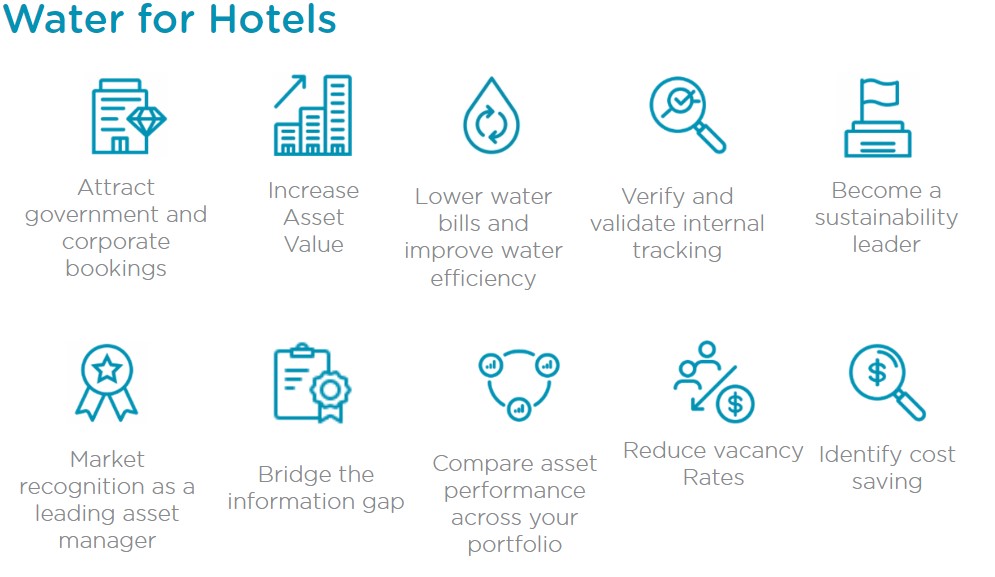
- Benefits
- Shopping Centres
- Ratable
- One or more buildings dedicated to retail services.
- Presence of at least one “major” tenant such as a supermarket or a department store.
- Service-oriented facilities including gyms, food courts and cinemas.
- Back of house facilities such as a management office, loading docks and a storage area.
- Required Data
- Gross Lettable Area Retail (GLAR)
- Number of food court seats
- Number of cinema theatres
- Gyms
- Climate (postcode)
- Annual energy consumption
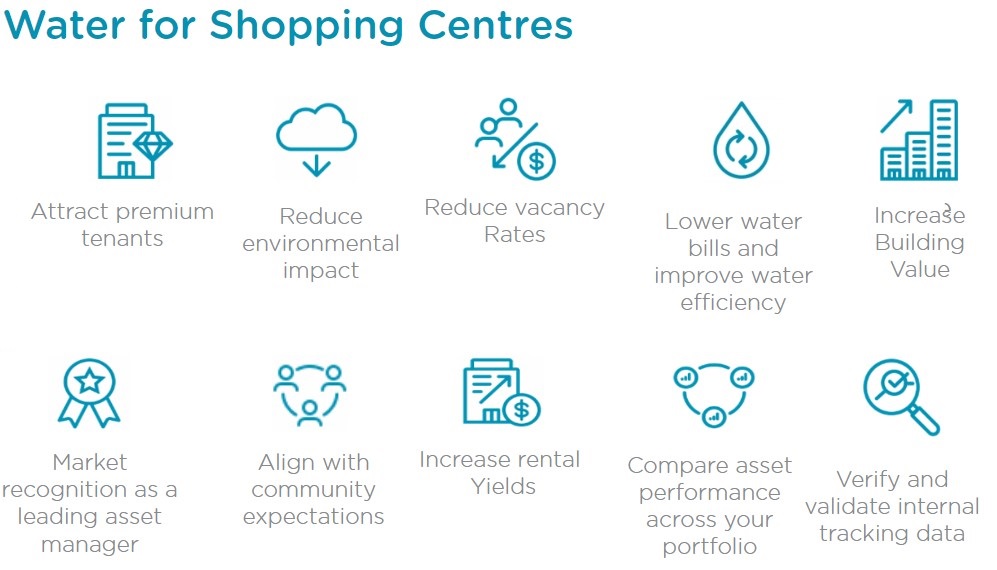
- Benefits
- Ratable
- Apartment Buildings
- Ratable:
- At least 4 apartments in total
- At least 2 apartments stacked vertically
- Apartments must be habitable during the rating
- Data Required
- Air-conditioning arrangements Annual water consumption
- Car parks
- Lifts
- Swimming pool
- Gym
- Number of apartments
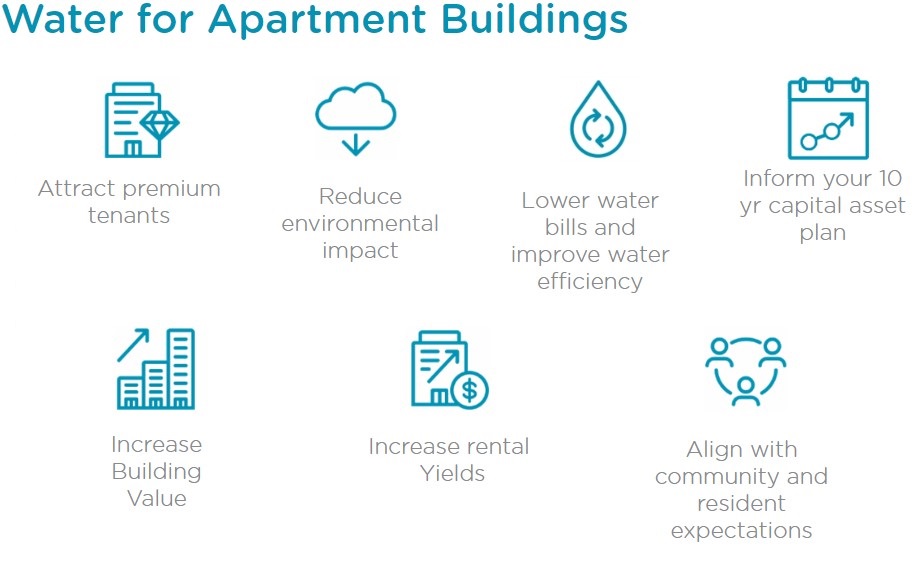
- Benefits
- Ratable:
- Retirement Living
- Data Required
- Number of dwellings on site
- Serviced apartments on site
- Retirement village site area
- Heated/unheated Pool
- Climate zone/postcode
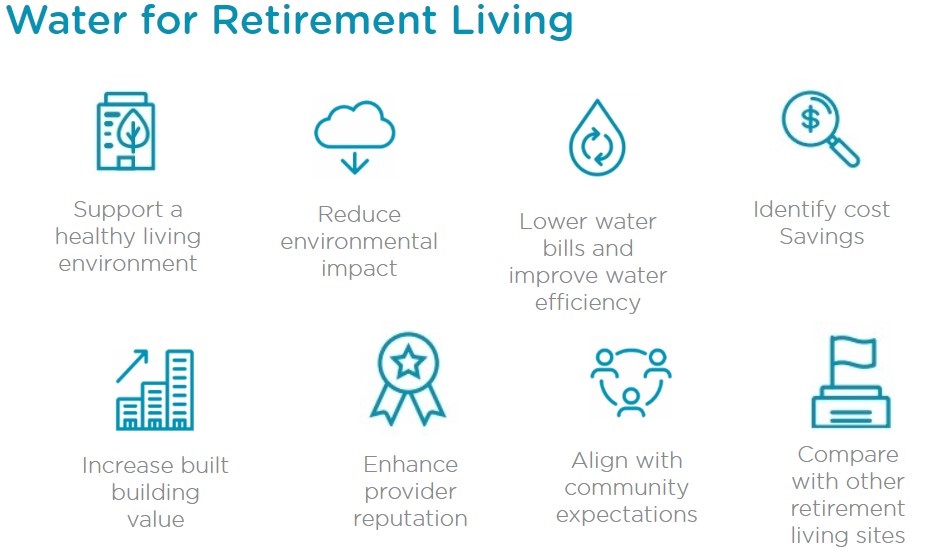
- Benefits
- Data Required
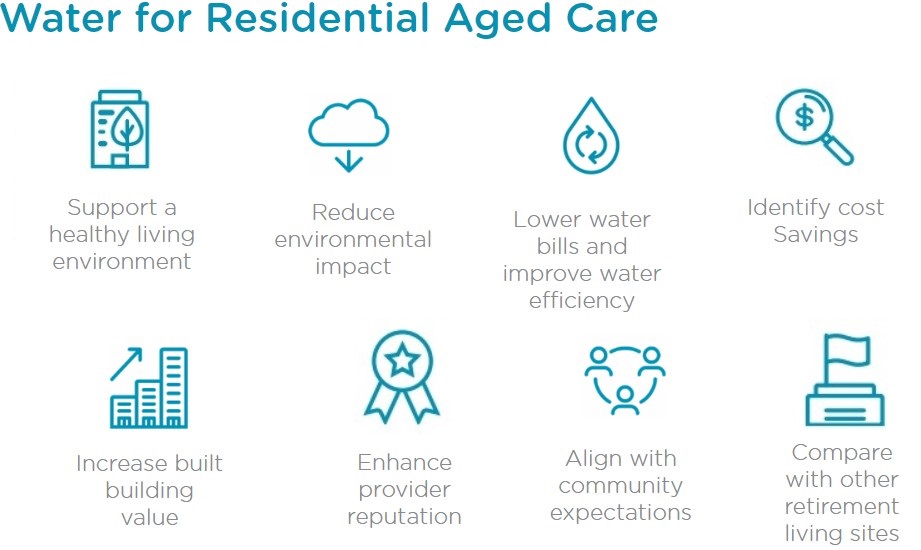
- Residential Aged Care
- Data Required
- Number of dwellings on site
- Serviced apartments on site
- Retirement village site area
- Heated/unheated Pool
- Climate zone/postcode
- Benefits
- Data Required
Indoor Environment:
- Office
- Rating types
- Base Building – Designed for building owners and managers, who generally control and maintain the thermal services, air systems and building cleaning services.
- Whole Building – For organisations that both manage and occupy their office space, or in some cases where a single tenant occupies the entire building.
- Tenancy – For building occupants who control and manage the design and materials used in their office fit-out, lighting and their internal noise levels. Some tenants also have control over indoor air quality as well.
- What’s included
- Indoor air quality – Including ventilation effectiveness and levels of pollutants. Maintenance of air systems and cleaning practices for the building in general.
- Thermal services -Including temperature, Mean radiant temperature, Humidity and air speed.
- Acoustic comfort- including the ability of the building to minimise external noise as well as the noise levels within the tenanted space.
- Lighting -To maximise daylight while minimising glare and reflectivity.
- Office layout -Including the spatial arrangements of walls, Partitions, Furniture and equipment in relation to fixed elements like windows and heating, Ventilation and air conditioning.
- Data required
- Climate (postcode)
- Office floor area·
- Hours of service
- Thermal comfort
- Air quality
- Acoustic comfort
- Lighting levels
- Office layout
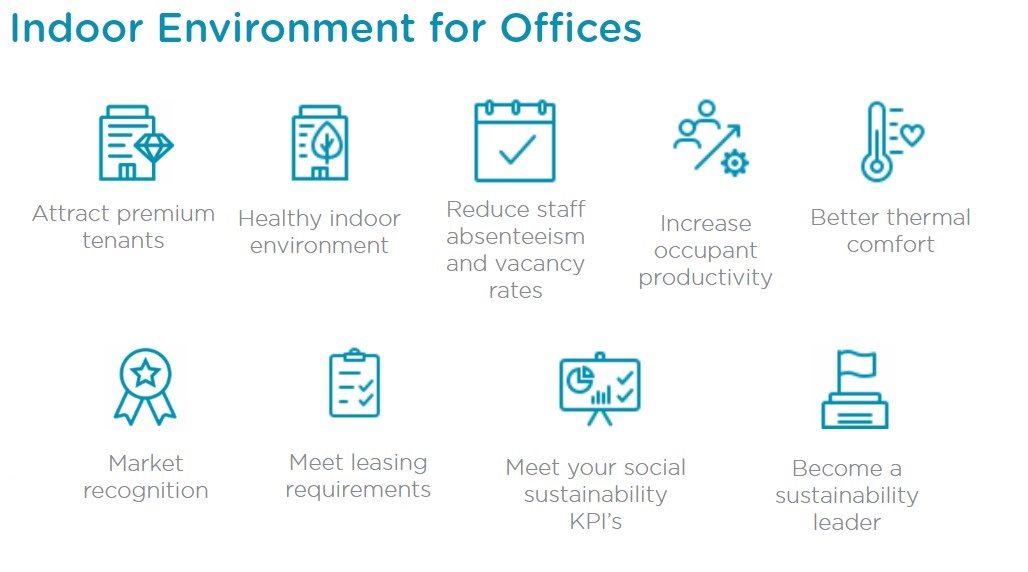
- Benefits
- Rating types
Waste:
- Office
- Rating types
- Office Base building – Measures only waste contracted by the building owner. This rating provides insights into the management of the building, irrespective of which tenants are in the building
- Office Whole building – Measures any waste that leaves from the building, where it can be reliably measured. This rating suits a building with highly engaged tenants who are working with building management.
- Whats Included
- The NABERS Waste Platform – measures how well the people in buildings separate waste into streams that can be composted and recycled. The platform tracks your building’s waste data month to month and converts it into useful management insights.
- A NABERS Waste rating – communicates your building’s recycling and resource recovery performance with a star rating. The less you send to landfill, the higher your rating. You can use your NABERS Waste rating to compare your building with other buildings and improve your waste performance year on year. A rated building can confidently report its verified waste and recycling performance.
- Calculation: RECYCLING RATE =TOTAL RECYCLING WEIGHT ÷ TOTAL WASTE WEIGHT
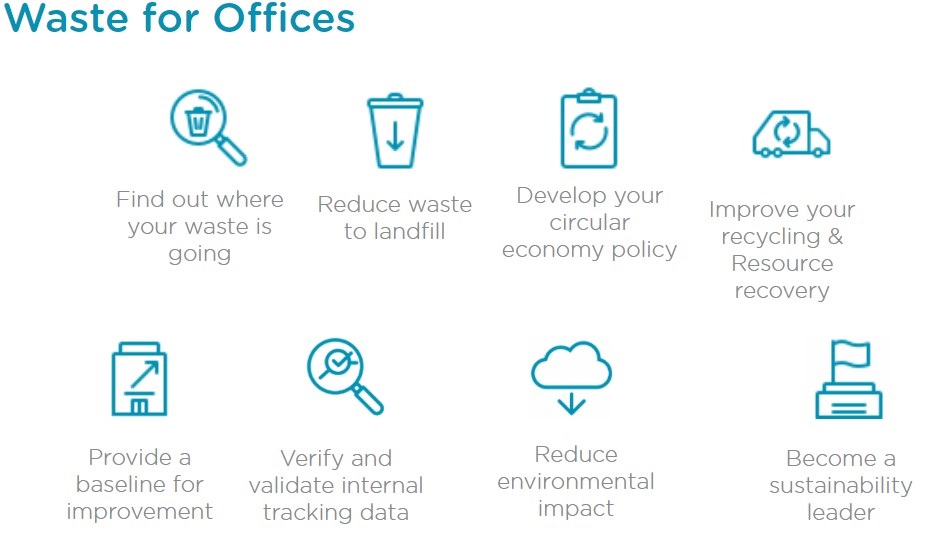
- Benefits
- Rating types
Carbon Neutral:
- Office
- Pathway: NABERS offers a pathway to achieve Climate Active Carbon Neutral certification, a world-leading, government-backed certification that is aligned to national and international greenhouse gas accounting protocols. If you have a NABERS Energy rating of 4 stars or above and use carbon offsets to cancel the building’s emissions, you can achieve a Climate Active certification. You can choose to use renewable energy for your stationary energy consumption instead of carbon offsets.
- Data Required
- Gas consumption
- Diesel consumption
- Refrigerants used in the building
- Energy bills
- Large Generation Certificates (LGCS) retired
- Waste data
- Water data
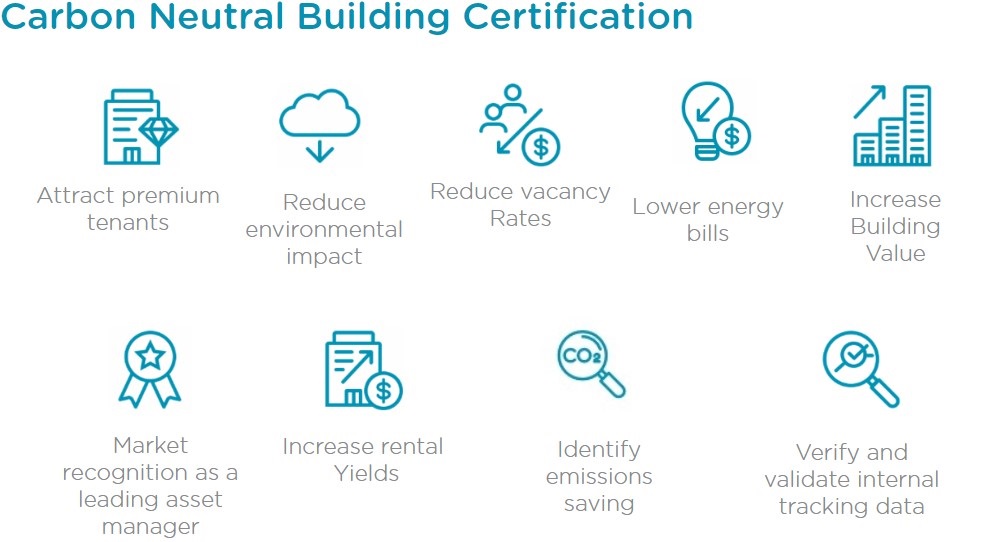
- Benefits
- Hotels
- Pathway: NABERS offers a pathway to achieve Climate Active Carbon Neutral certification, a world-leading, government-backed certification that is aligned to national and international greenhouse gas accounting protocols. If you have a NABERS Energy rating of 4 stars or above and use carbon offsets to cancel the building’s emissions, you can achieve a Climate Active certification. You can choose to use renewable energy for your stationary energy consumption instead of carbon offsets.
- Data Required
- Gas consumption
- Diesel consumption
- Refrigerants used in the building
- Energy bills
- Large Generation Certificates (LGCS) retired
- Waste data
- Water data
- Benefits
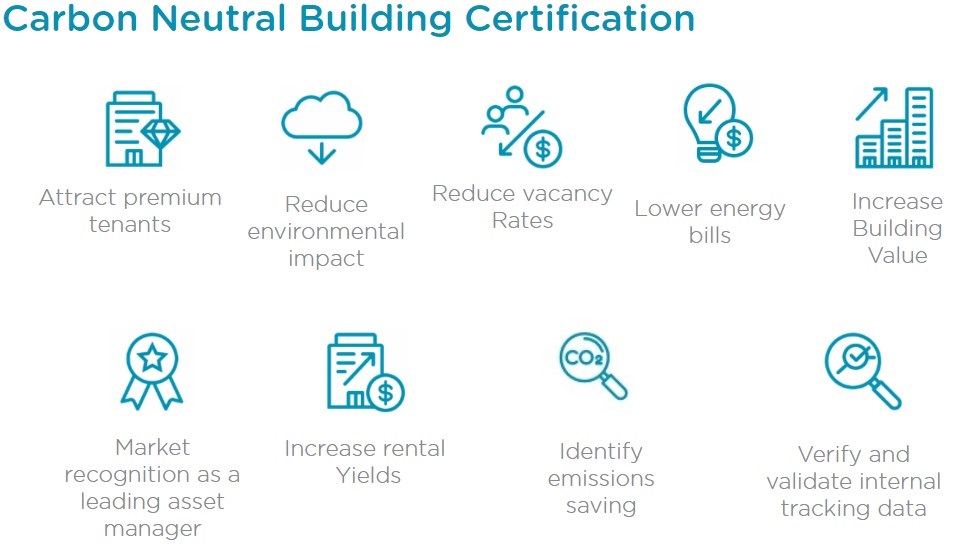
- Shopping Center
- Pathway: NABERS offers a pathway to achieve Climate Active Carbon Neutral certification, a world-leading, government-backed certification that is aligned to national and international greenhouse gas accounting protocols. If you have a NABERS Energy rating of 4 stars or above and use carbon offsets to cancel the building’s emissions, you can achieve a Climate Active certification. You can choose to use renewable energy for your stationary energy consumption instead of carbon offsets.
- Data Required
- Gas consumption Diesel consumption
- Refrigerants used in the building
- Energy bills
- Large Generation Certificates (LGCs) retired
- Waste data
- Water data
- Benefits
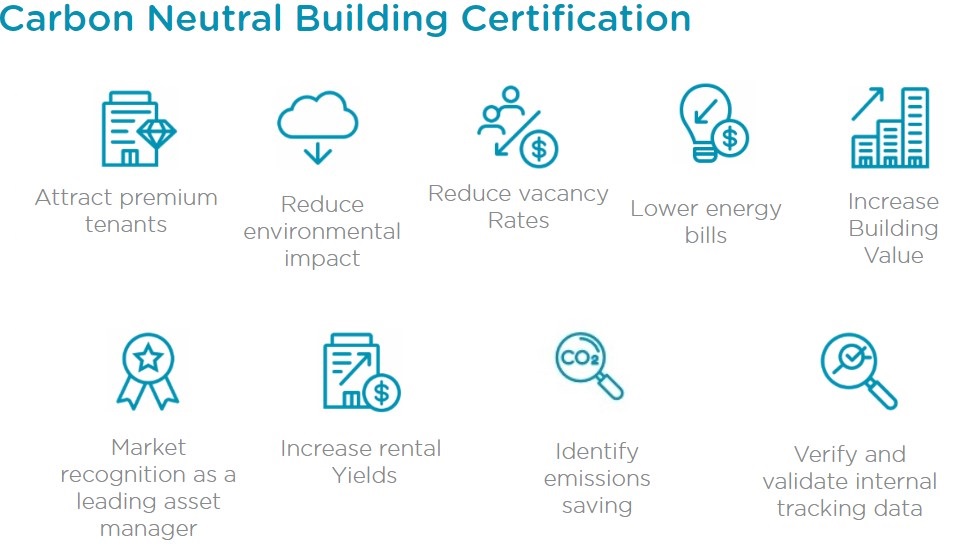
- Data Center
- Pathway: NABERS offers a pathway to achieve Climate Active Carbon Neutral certification, a world-leading, government-backed certification aligned to national and international greenhouse gas accounting protocols. You can achieve a Climate Active certification with a NABERS Energy rating of 4 stars or above and use carbon offsets to cancel the building’s emissions. You can use renewable energy instead of carbon offsets for your stationary energy consumption.
- Data Required
- Gas consumption
- Diesel consumption
- Refrigerants used in the building
- Energy bills
- Large Generation Certificates (LGCS) retired
- Waste data
- Water data
- Benefits
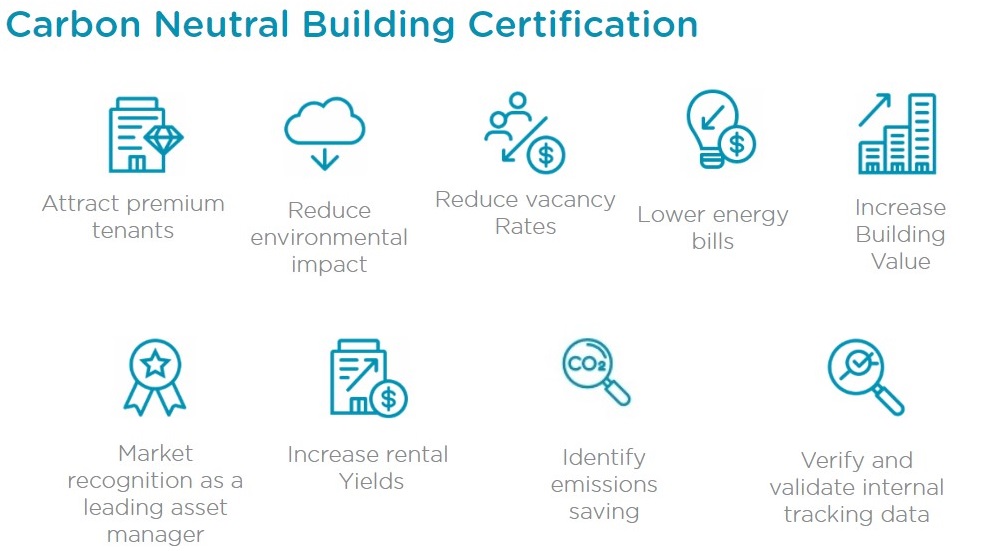
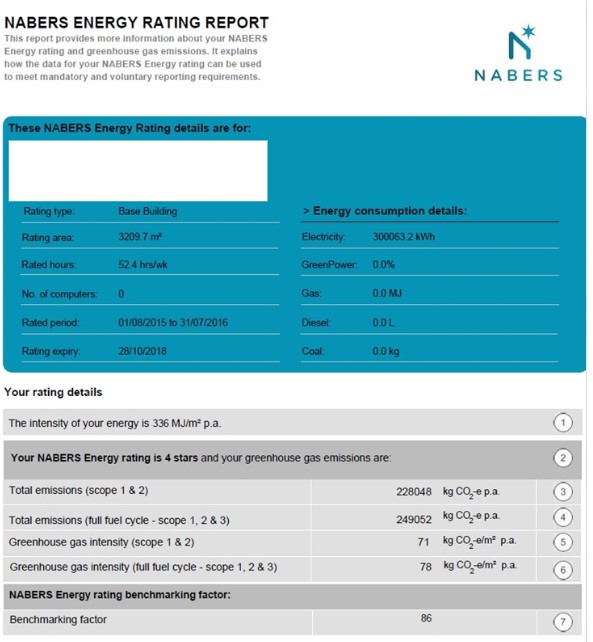
Certificate
Rating certificates are valid for 12 months from the date of certification. The NABERS rating certificate provides market recognition for building owners and tenants who have measured their environmental performance. Hover over the example to find out the information included in the certificate.
Benefits
Cost savings on Energy and water bill
Asset value: 36% more efficient building
Reporting: Easy assessment, Monitoring and lead to other certificate like GRESB and Green Star
Easy comparison: For Investor
Environmental: Avoid Waste
Health: Indoor Environment Rate
FAQ
Does NABERS rate Home? NO
How Often should I get NABERS rating? Every 12 Month
How Can I get the data for the rating? it is Assessor’s job
How do I find out about NABERS key statistic? Search for NABERS annual report
How many sectors are NABERS available? 6 sector
NABERS WASTE
The NABERS Waste Platform is a comprehensive digital system for monitoring and managing waste and recycling data. Designed to support the NABERS Waste Rating and Verification process, this platform securely stores essential information while also serving as an independent tool for tracking waste and recycling. It provides dynamic charts and indicators for a detailed view of waste management practices. It adapts to various property types, adding more as demand grows. The platform facilitates communication among property and facilities managers and waste professionals, allowing for detailed oversight of waste collection frequency, types, and amounts. The platform includes building setup, waste data, audit data, ratings, and support sections. This facilitates the conversion of data into valuable performance outcomes for annual reporting.
The minimum requirements include property information, details of over 50 types of waste and recycling services, waste contractor information, bin details, per-pickup waste data, and at least 12 months of collection data, with general waste being the minimum stream requirement. Additional requirements enhance data quality for a higher NABERS rating. These requirements include weight-based data, destination facility information, a second data source for validation, waste audits, and material recovery outcomes information. These requirements ensure comprehensive and accurate waste tracking and management.
| Requirement Type | Details |
|---|---|
| Minimum Requirements | Property info, waste services, contractor info, bin details, per-pickup data, 12 months of data, general waste as minimum stream |
| Additional Requirements | Weight-based data, facility info, second data source, waste audits, material recovery outcomes |
Required Information
Building
For building activation and setup, NABERS Waste Management software requires specific information.
- Building Activation: You need to provide:
- Premises type name and address.
- Building management company.
- Building owner company.
- Building-specific size metric (e.g., NLA for office buildings or GLAR for shopping centres).
- Platform Administrators’ name and contact details.
- Setting Up Your Building:
- Building Details Page: Check and, if necessary, edit details like premises name, building management company, building owner companies and their per cent ownership, and premises area.
- Waste Data Consultant: An optional field for an external party, usually a consultant, who collects and verifies waste and recycling data for the building.
BIN Service
Bin Service Information includes:
- Number of Waste Docks: Identification and number of waste docks in the building.
- Waste Types Collected: Types of waste collected and managed by the building management.
- Equipment Details: For each waste type, details of collection equipment (size, type, number), the waste company providing services, and contract dates.
- Destination Facilities: Optional information about the facility where each waste type is sent.
- Historical Data: If setting up for past conditions, chronological details of equipment and waste contractors are needed.
- Dock Naming: Naming each loading dock where waste and recycling collections occur.
- Contract Information: Details for each waste type, including the waste contractor’s name, contract start and end dates.
- Bin Service Information: Equipment types for each dock servicing each waste type, with quantity and effective dates.
Also, a contract rate is required
- Fee Amount: The amount charged for each service.
- Charge Basis: Specification of whether the fee is charged per bin lift or as a regular ongoing charge.
- Unit of Charge: Details on what unit is being charged, such as per bin or per kilogram.
- Fee Dates: Specific dates for these fees, if they differ from contract or bin service dates.
- Fee Description: A freely named description for each fee.
- Type and Frequency of Fee: Selection of the fee’s type and its frequency.
- Fee Validity Dates: Checking and setting the dates for which the fee is valid.
- Multiple Fees for Equipment: Option to add multiple fees for each type of equipment if necessary.
Audit
Key variables and calculations used in waste audits:
- Waste Density: Calculated per bin service to estimate weights when only bin counts are available. Formula: Waste Density = Estimated Weight / Bin Capacity.
- Contamination Rate: Measures the percentage of non-target materials in a bin. Formula: Contamination Rate = (Weight of Contamination / Total Weight) * 100.
- Composition of Waste Streams: Determine the breakdown of different material types in each waste stream. Formula: Composition Percentage = (Weight of Specific Material / Total Weight of Waste Stream) * 100.
Become Assessor
Complete an accreditation course of your choice.
- Energy & Water for Offices : $2,610.00
- Energy & Water for Shopping Centres: $2,610.00
- Waste for Offices: $1,860.00
- Indoor Environment for Offices: $1,860.00
- Energy & Water for Hotels: $2,610.00
- Energy & Water for Residential Aged Care & Retirement Living: $2,610.00
- Energy & Water for Apartment Buildings: $2,610.00
- Energy for Warehouse and Cold store: $2,610.00

 Electrical Engineer